Northern Winds
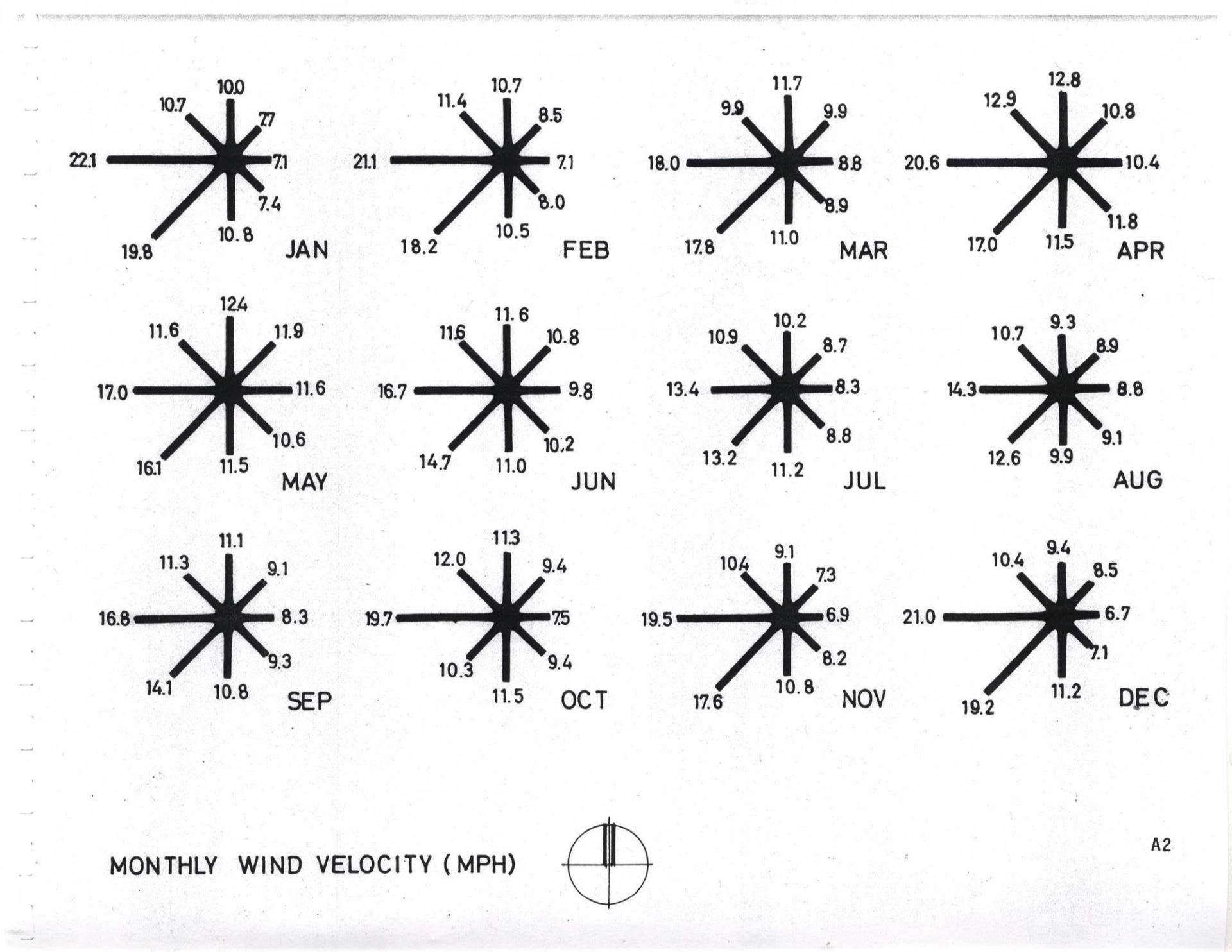
Monthly Wind Velocity in Lethbridge, Alberta, in 1969. Part of an architectural survey prepared by Arthur Erickson and Massey Architects for the University of Lethbridge in Alberta, Canada.
American Beauty, 1999.
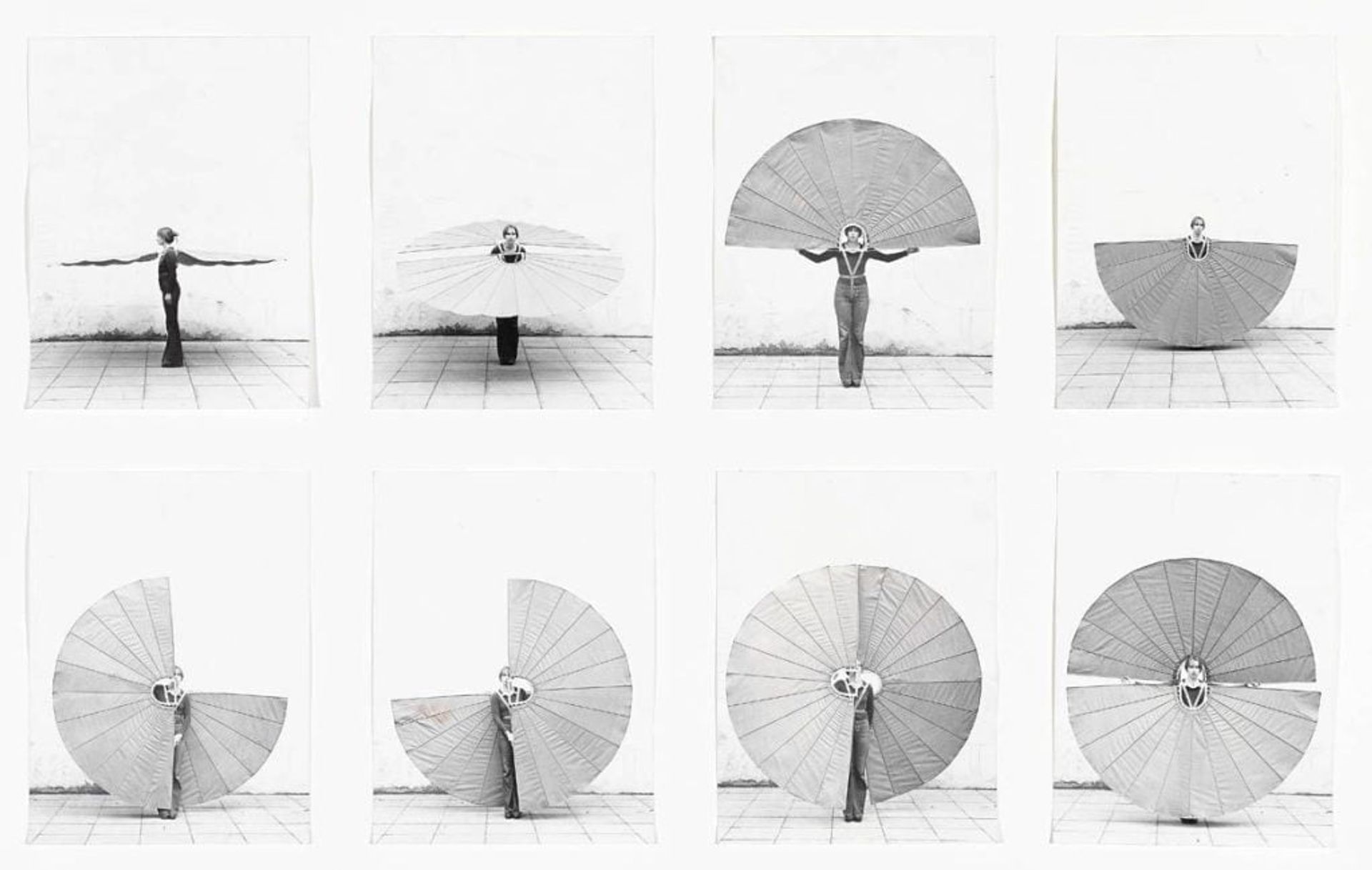
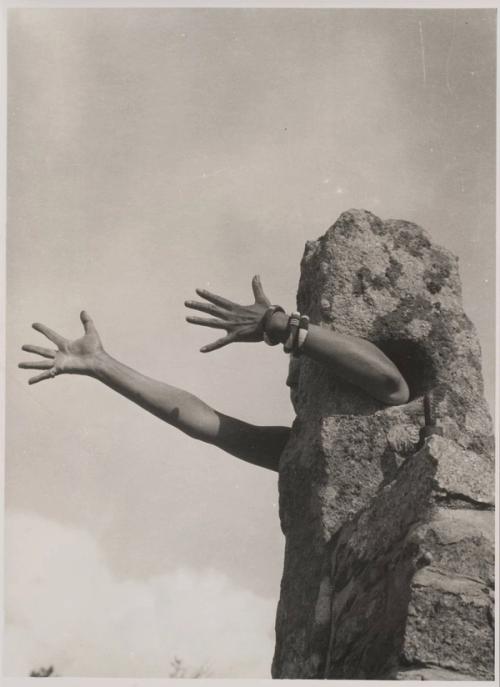
Mechanical Body Fan, created by Rebecca Horn in 1972.
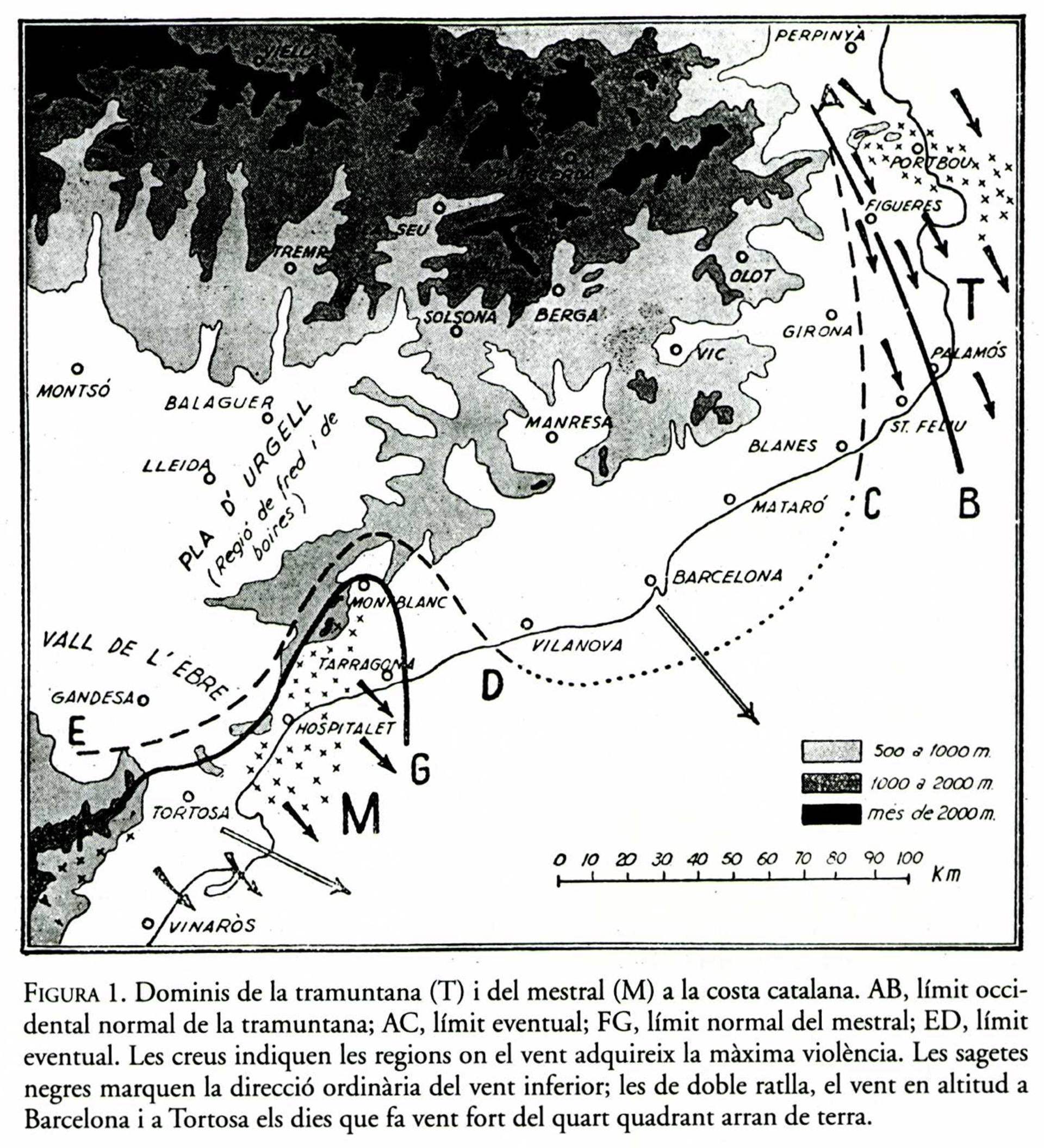
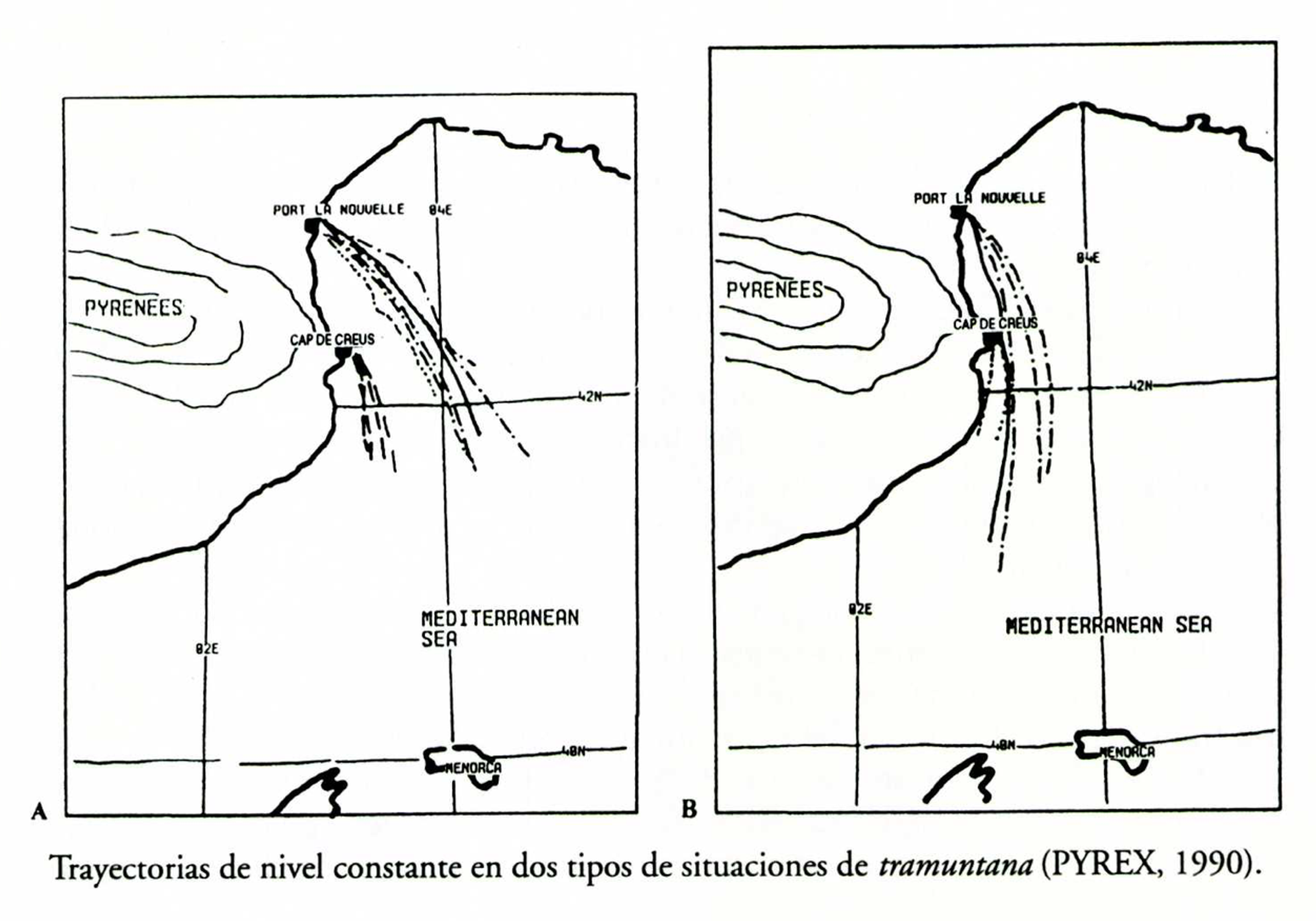
"La Tramuntana Empordanesa i el Mestral al Golf de Sant Jordi", Eduard Fontserè i Riba, Tramuntana i Mestral a Catalunya.
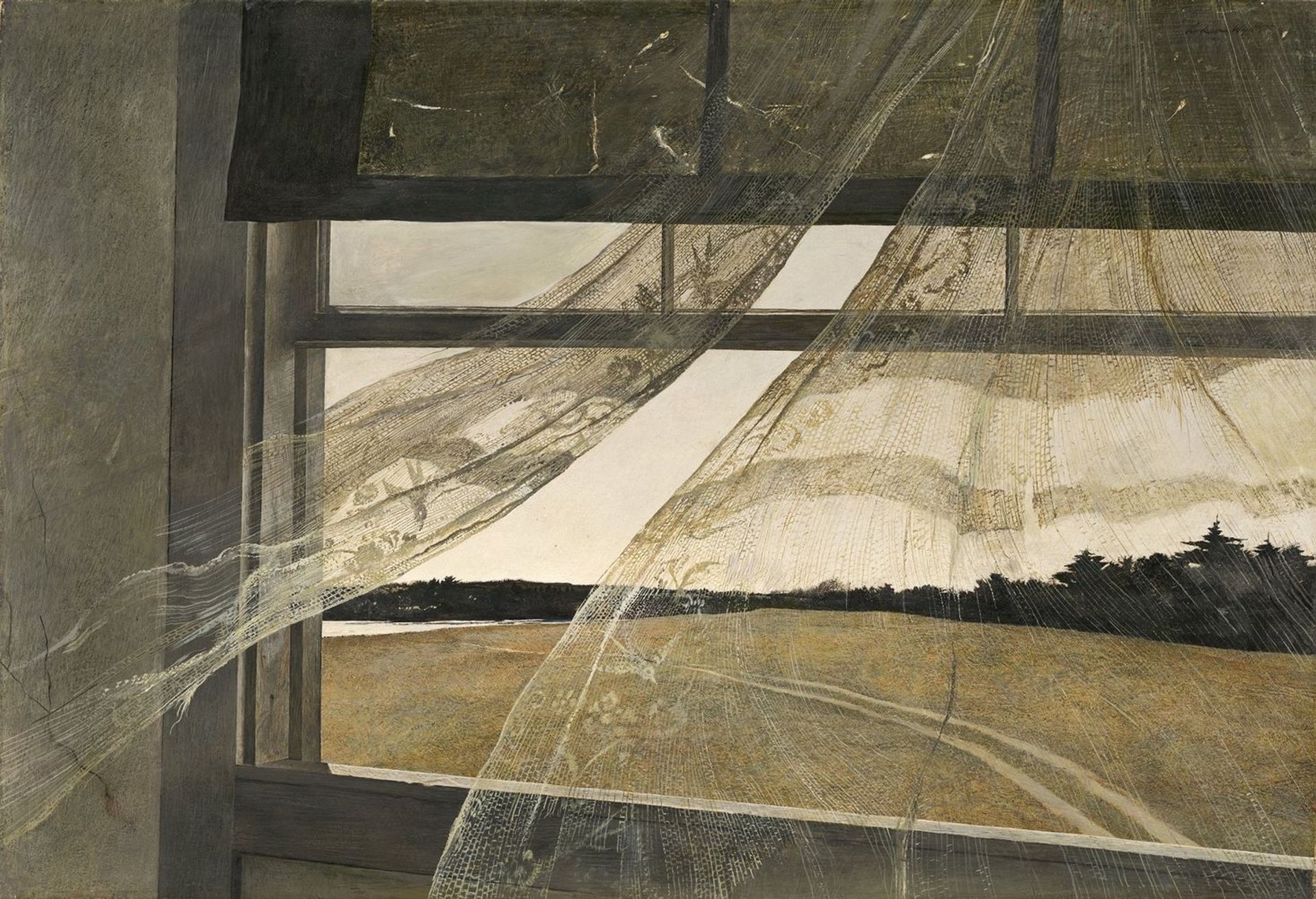
Andrew Wyeth, Wind From The Sea, 1947.
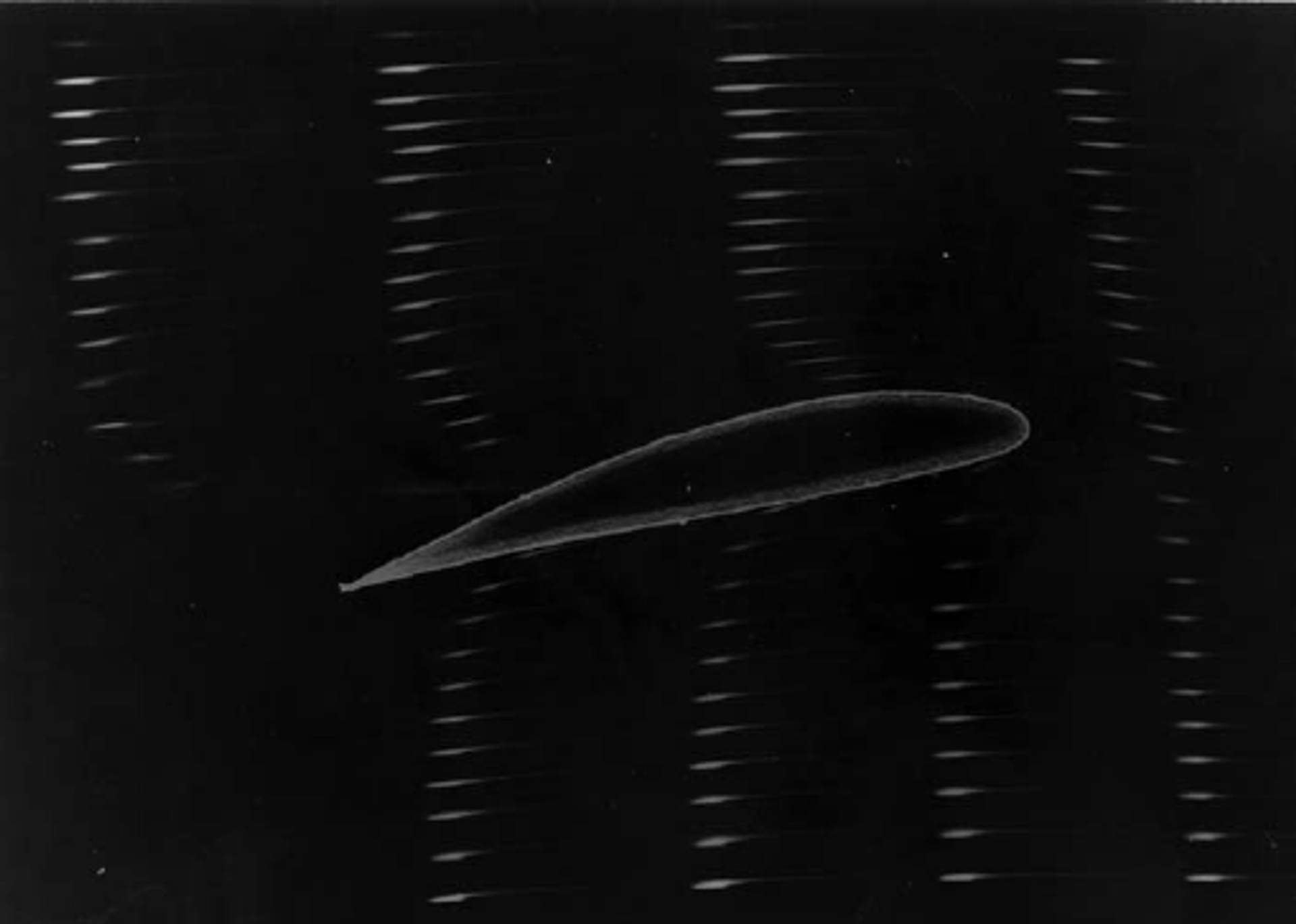
Alexander Lippisch, "Four exposures of a smoke front as it passes over a wing section".
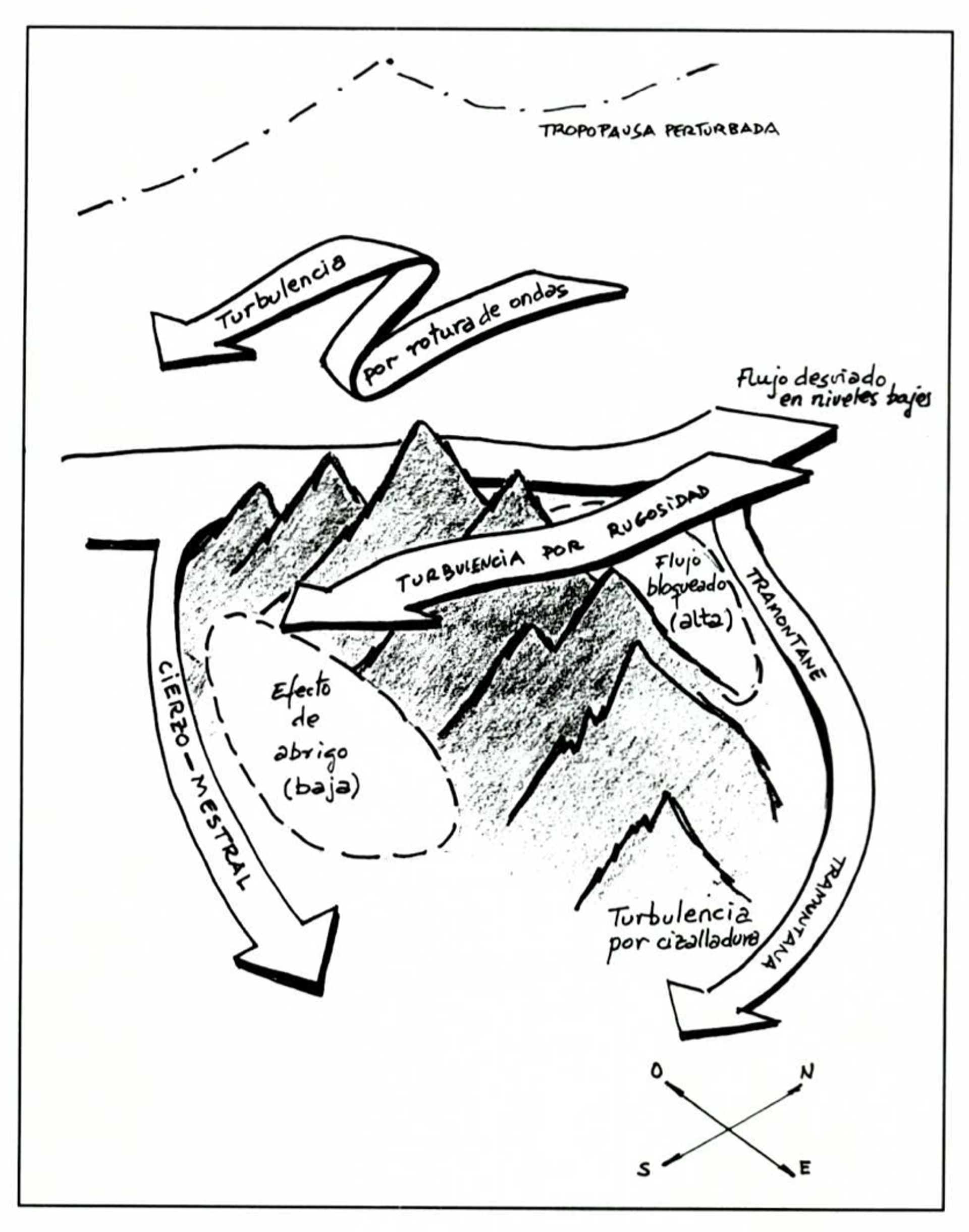
Source unknown.
Source unknown.
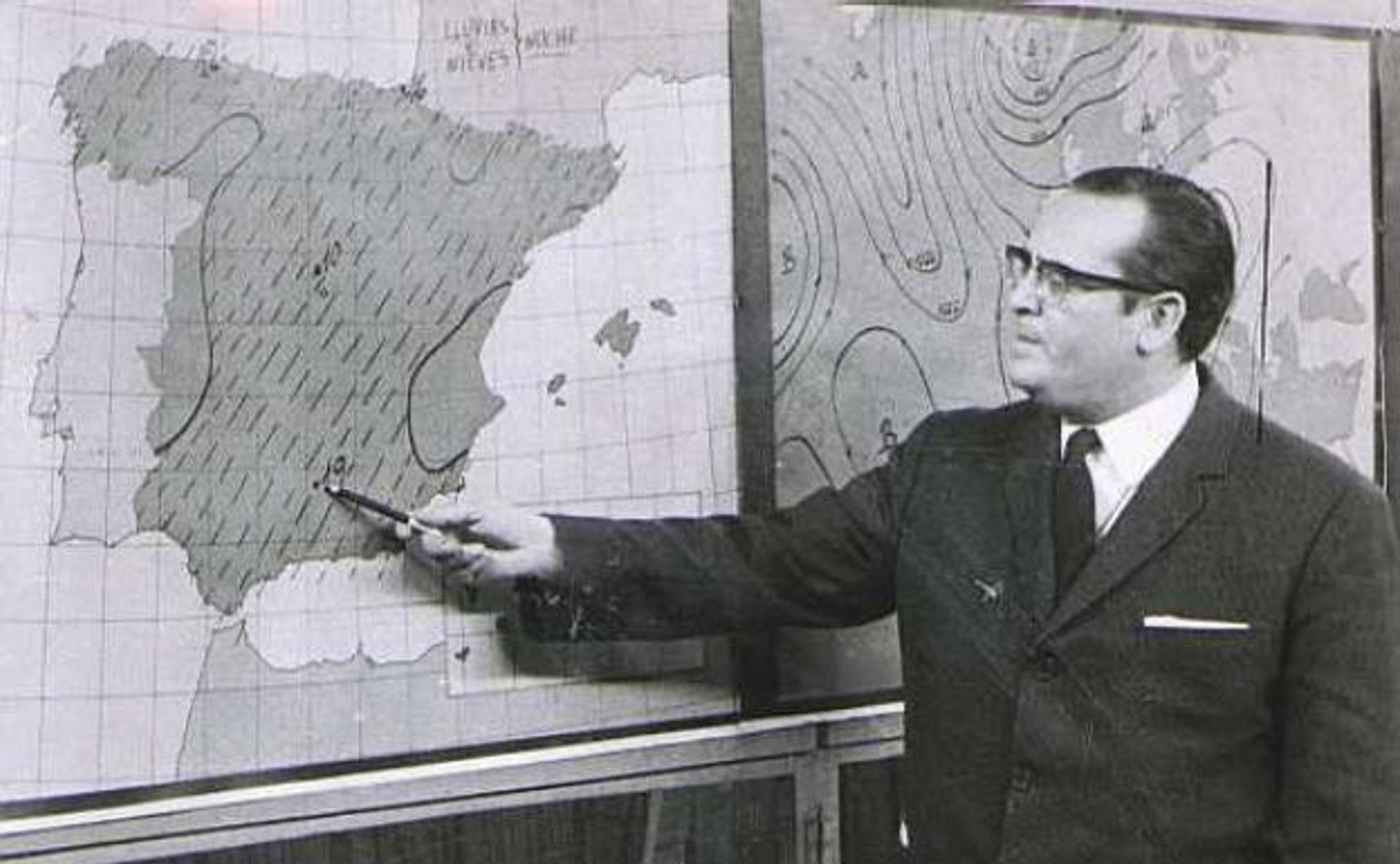
Mariano Medina, the first weather reporter ("hombre del tiempo") in Spain.
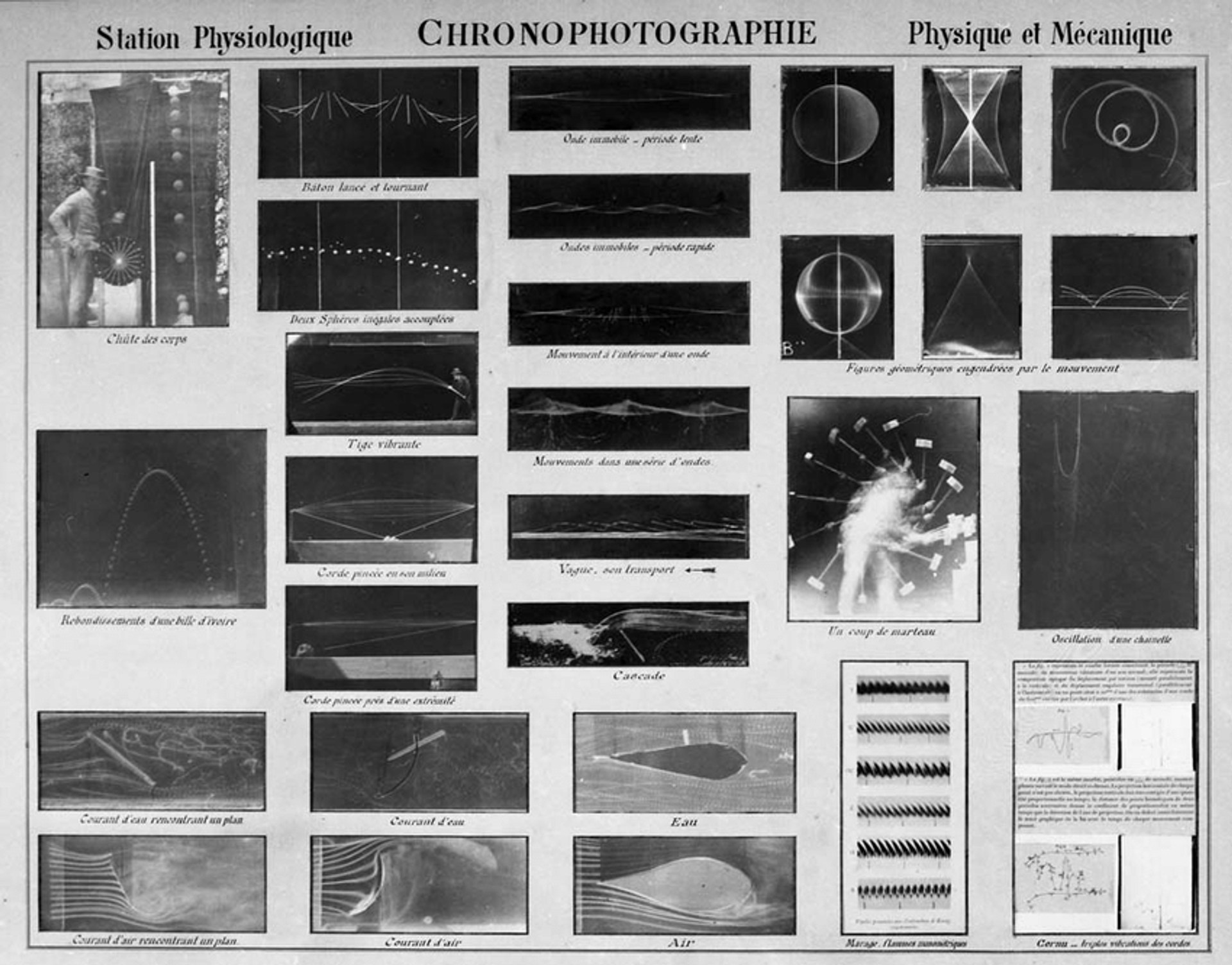
Etienne Jules Marey, "Chronophotography Station Physiologique Physique"
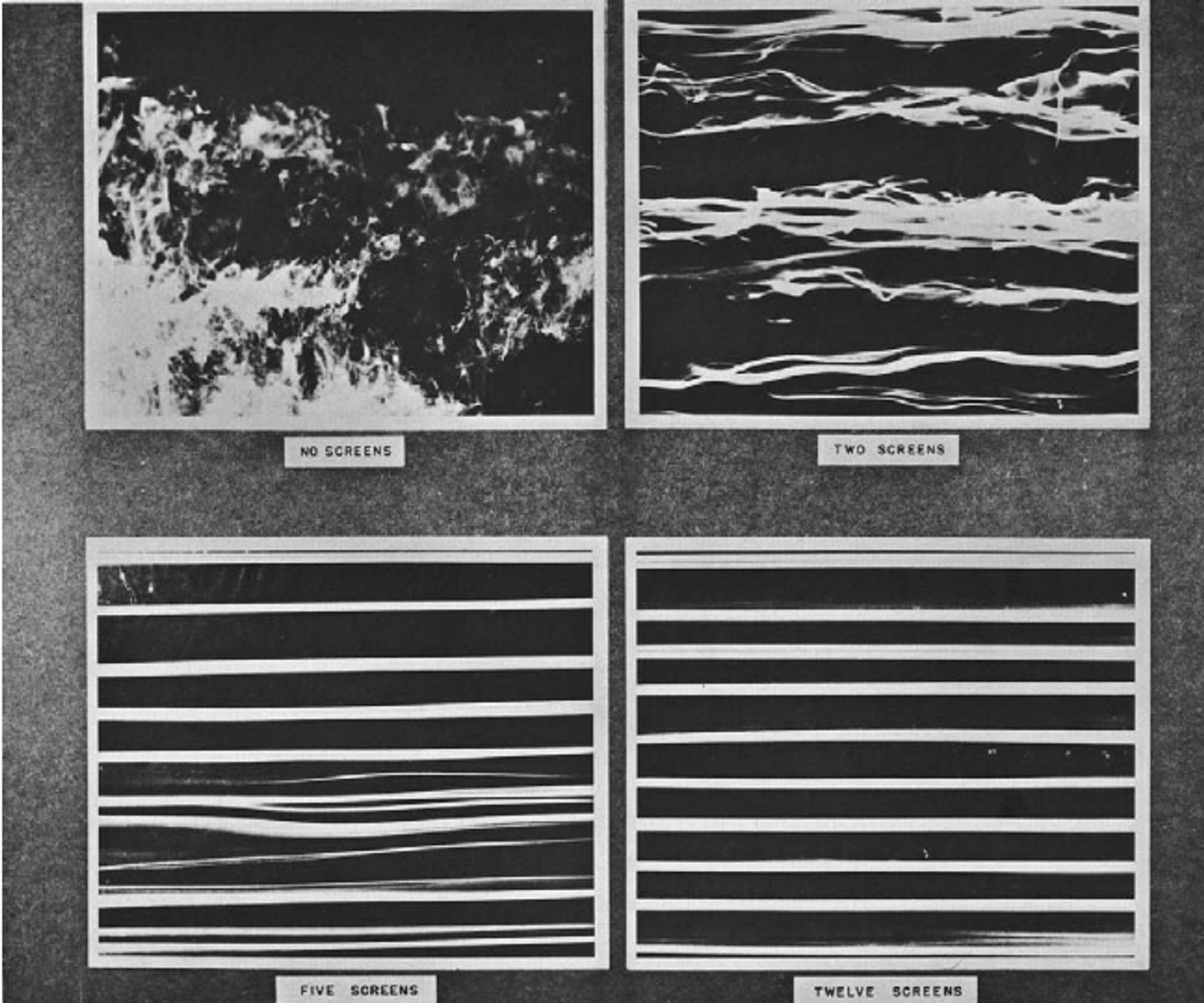
F.N.M. Brown, plate with results of different alignments (0-,2-,5-, and 12-grid screens) in wind channel, whithout obstacle, 1971. From F.N.M. Brown, See the wind Blow (South Bend, IN, 1971).
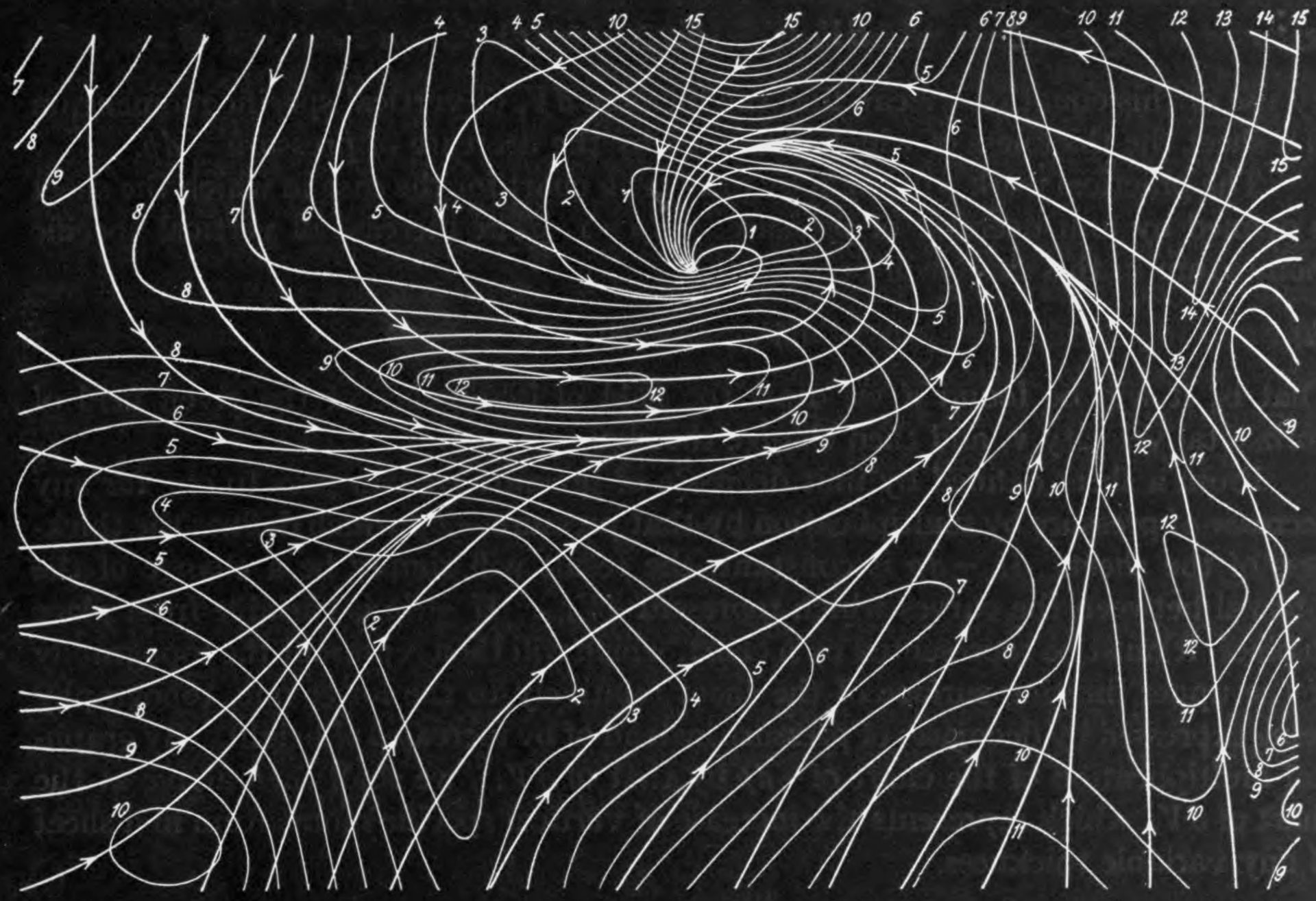
Lines of flow and curves of equal wind intensity, U.S.A. November 28, 1905. 8 AM. Dynamic meteorology and hydrography. 1910. Inverted color.
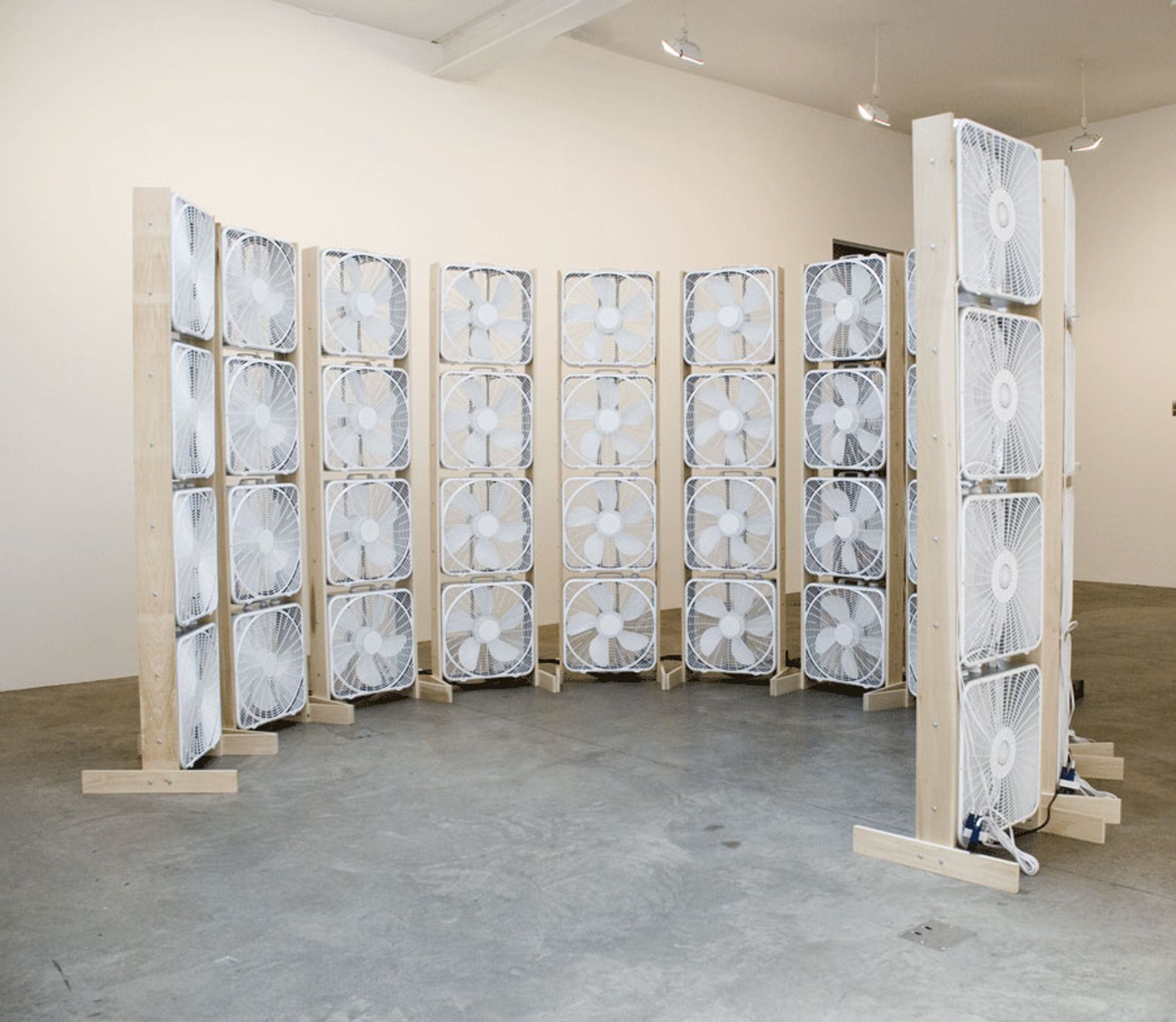
Spencer Finch. 2 hours, 2 minutes, 2 seconds (Wind at Walden Pond, March 12, 2007)
Monthly Wind Velocity in Lethbridge, Alberta, in 1969. Part of an architectural survey prepared by Arthur Erickson and Massey Architects for the University of Lethbridge in Alberta, Canada.
American Beauty, 1999.
Mechanical Body Fan, created by Rebecca Horn in 1972.
"La Tramuntana Empordanesa i el Mestral al Golf de Sant Jordi", Eduard Fontserè i Riba, Tramuntana i Mestral a Catalunya.
Andrew Wyeth, Wind From The Sea, 1947.
Alexander Lippisch, "Four exposures of a smoke front as it passes over a wing section".
Source unknown.
Source unknown.
Mariano Medina, the first weather reporter ("hombre del tiempo") in Spain.
Etienne Jules Marey, "Chronophotography Station Physiologique Physique"
F.N.M. Brown, plate with results of different alignments (0-,2-,5-, and 12-grid screens) in wind channel, whithout obstacle, 1971. From F.N.M. Brown, See the wind Blow (South Bend, IN, 1971).
Lines of flow and curves of equal wind intensity, U.S.A. November 28, 1905. 8 AM. Dynamic meteorology and hydrography. 1910. Inverted color.
Spencer Finch. 2 hours, 2 minutes, 2 seconds (Wind at Walden Pond, March 12, 2007)
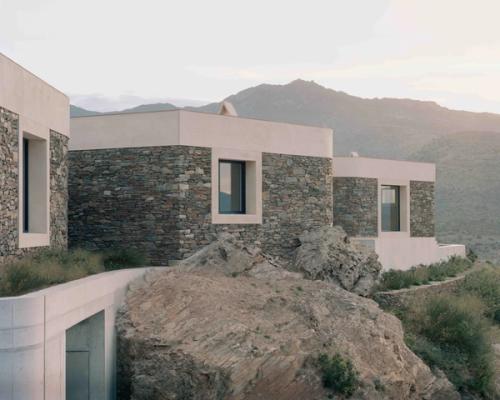
Wind is rarely seen, yet it defines territory, erodes matter, and shapes atmosphere. This research explores air as a spatial agent—an invisible force capable of carving form, defining thresholds, and generating refuge.
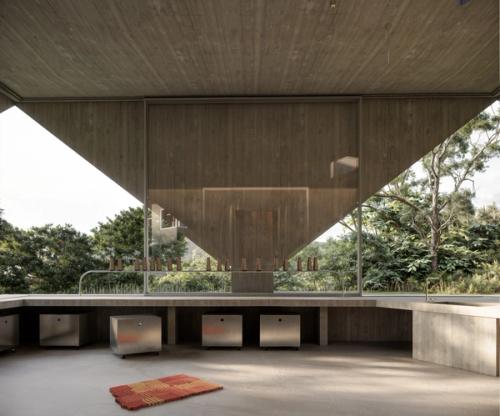
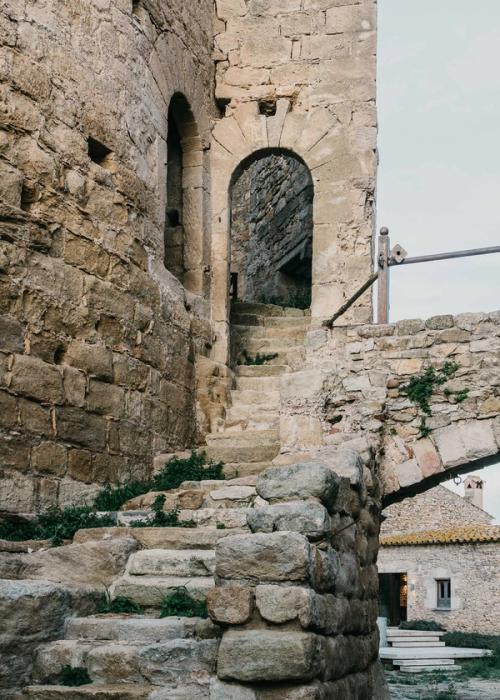
Through a visual study of tension and shelter, exposure and protection, we examine how solid masses resist pressure while porous systems allow permeability and breath. Light sharpens, shadows deepen, and space emerges from the negotiation between movement and stillness.
Rather tan resisting the elements, the research proposes an architecture that listens—where the invisible becomes generative, and climate transforms into form.
This research is part of Casa Balma Murada project.