The Jungle House
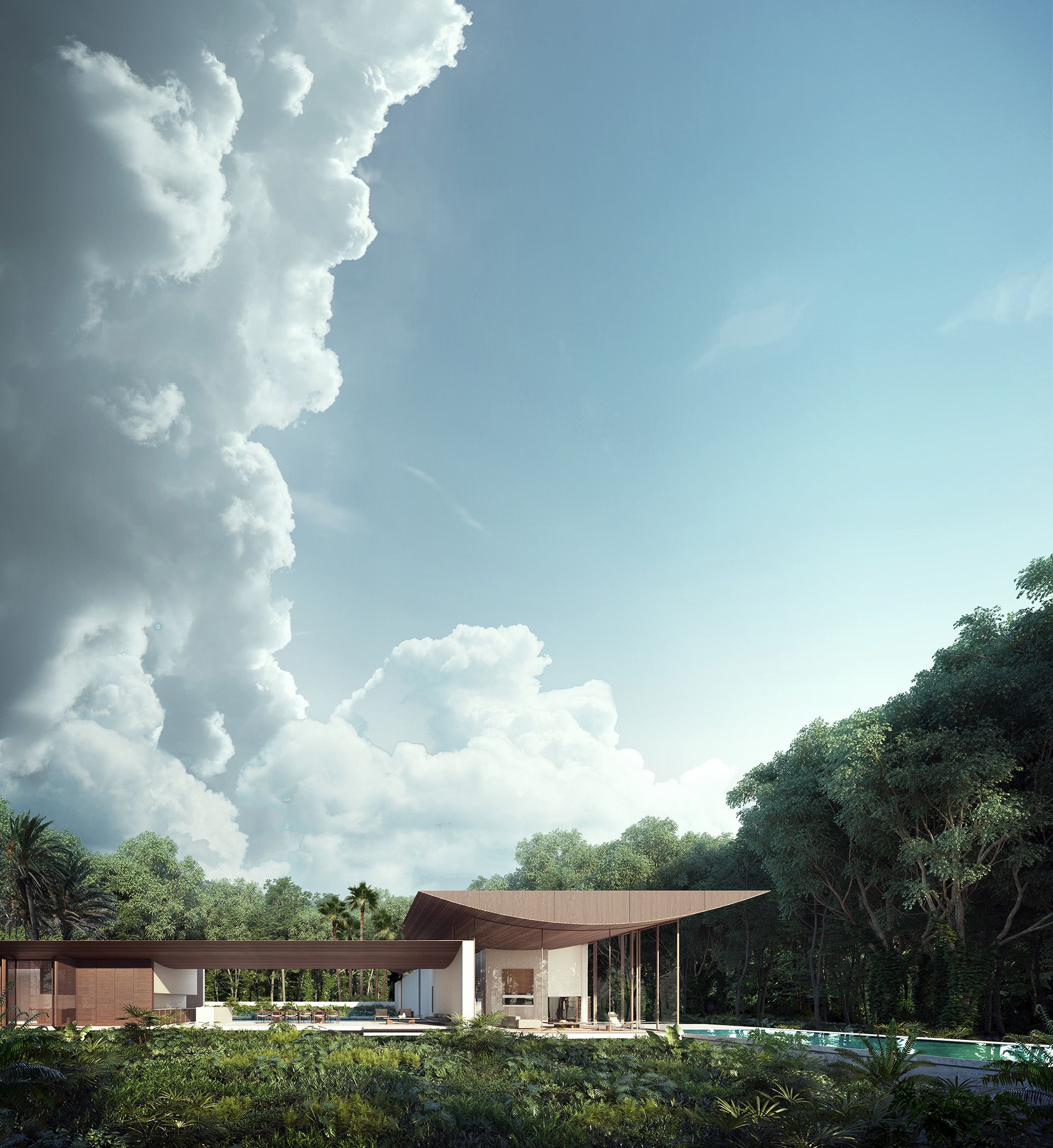
The holiday home in the jungle doesn’t see nature as a threat, but as an additional material that gradually and organically strengthens its architecture. The house proposes a proactive way of growth, based on increasing the potential of the ecosystem it inhabits by simply letting it follow its natural course. Meanwhile, a reinterpretation of the local building culture solidates the house into its cultural roots, creating a socially cohesive and dynamic environment. The result is a sense of domesticity in the middle of the African jungle, a holiday home that behaves differently every time.
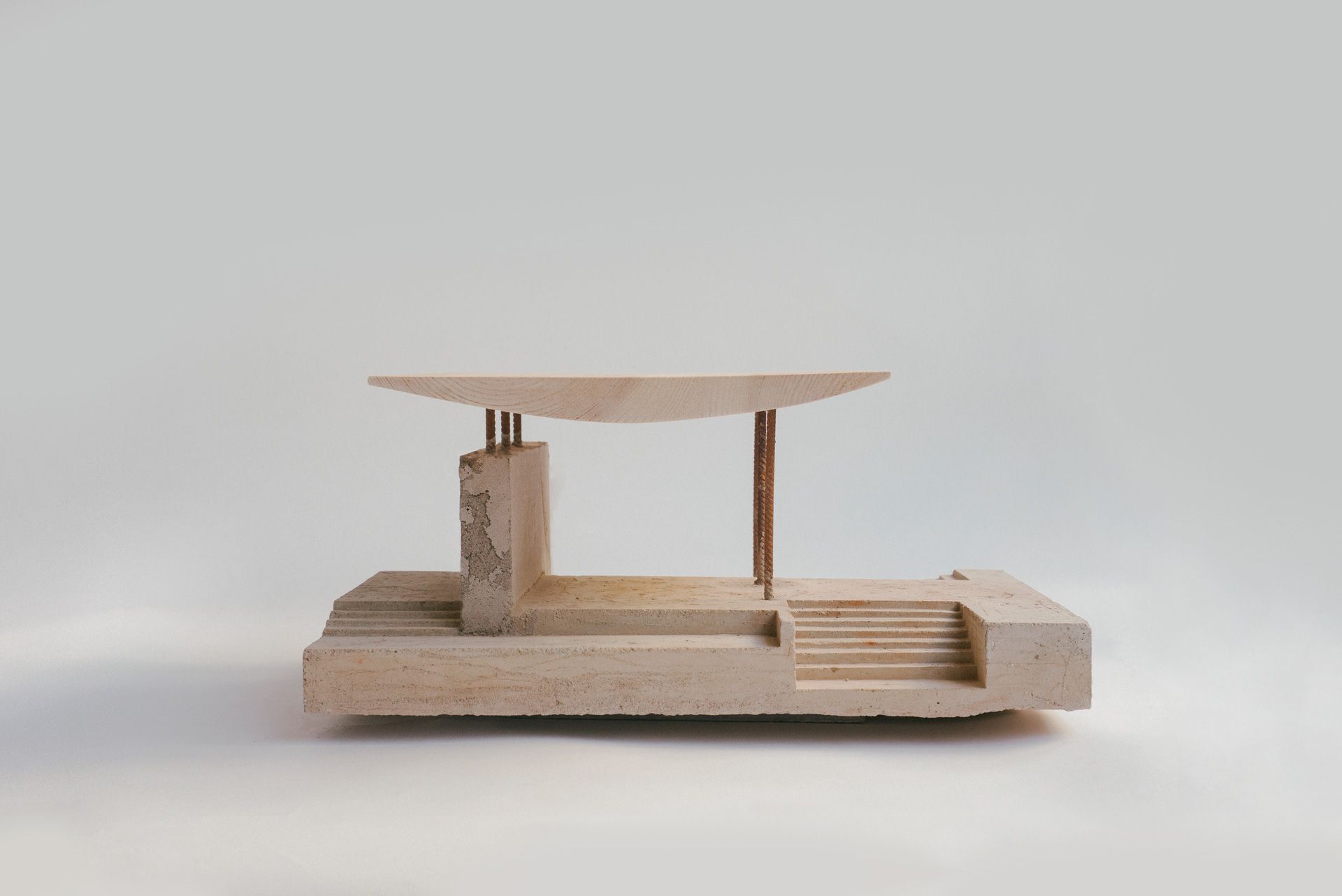
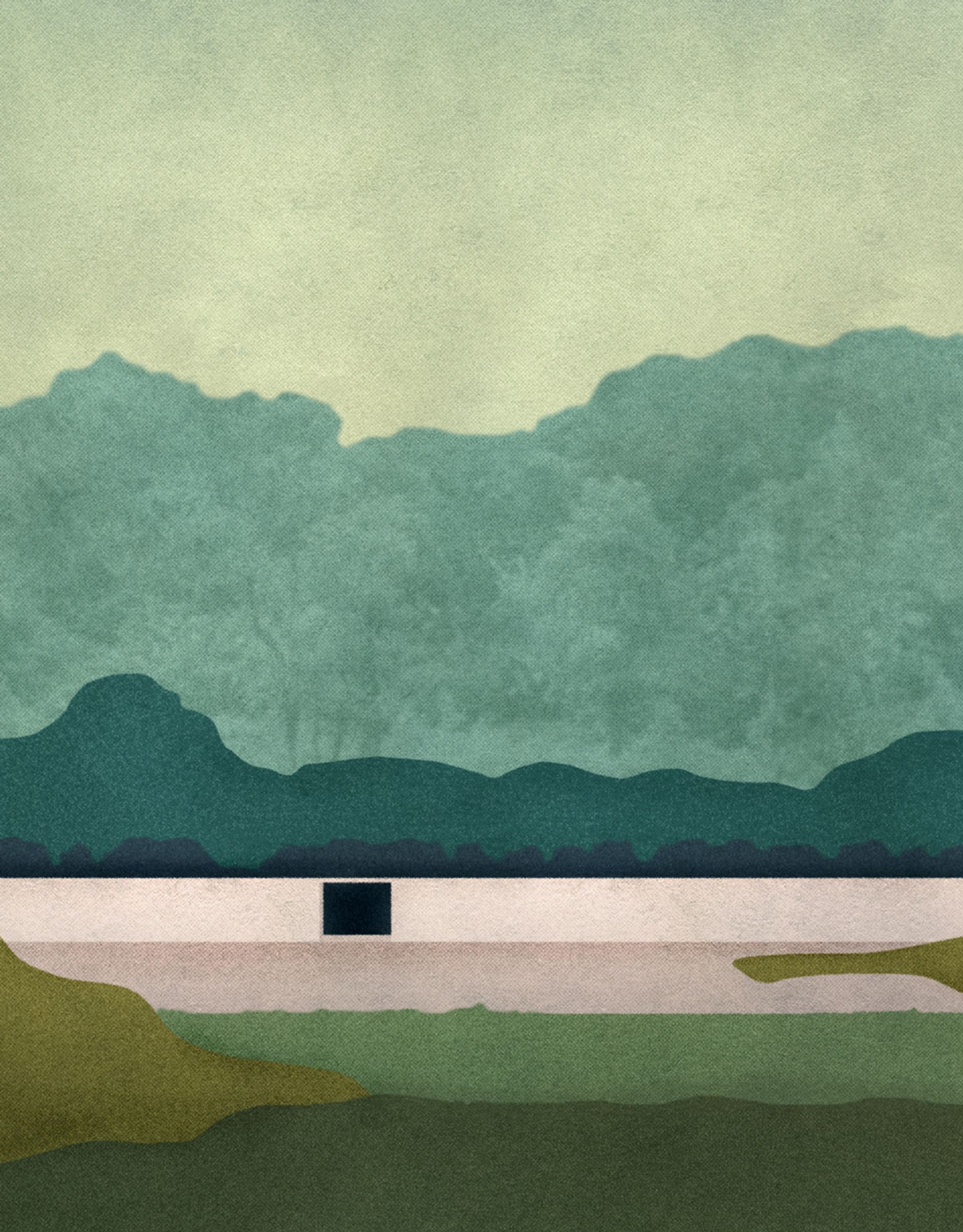
A Layered Home Based On The Local Building Tradition
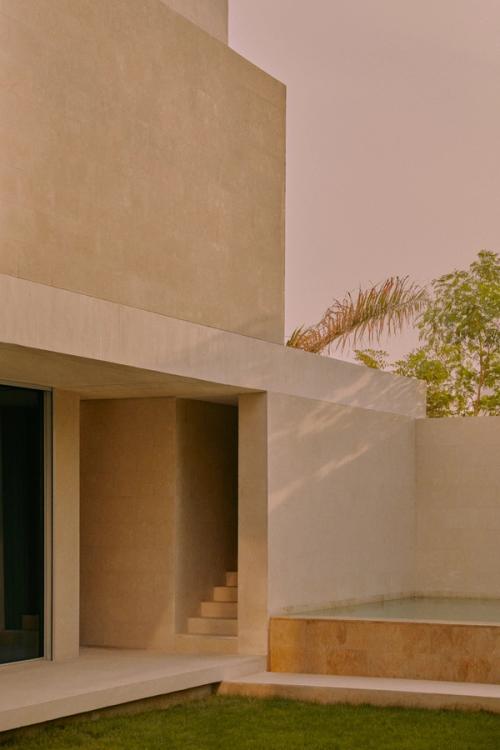
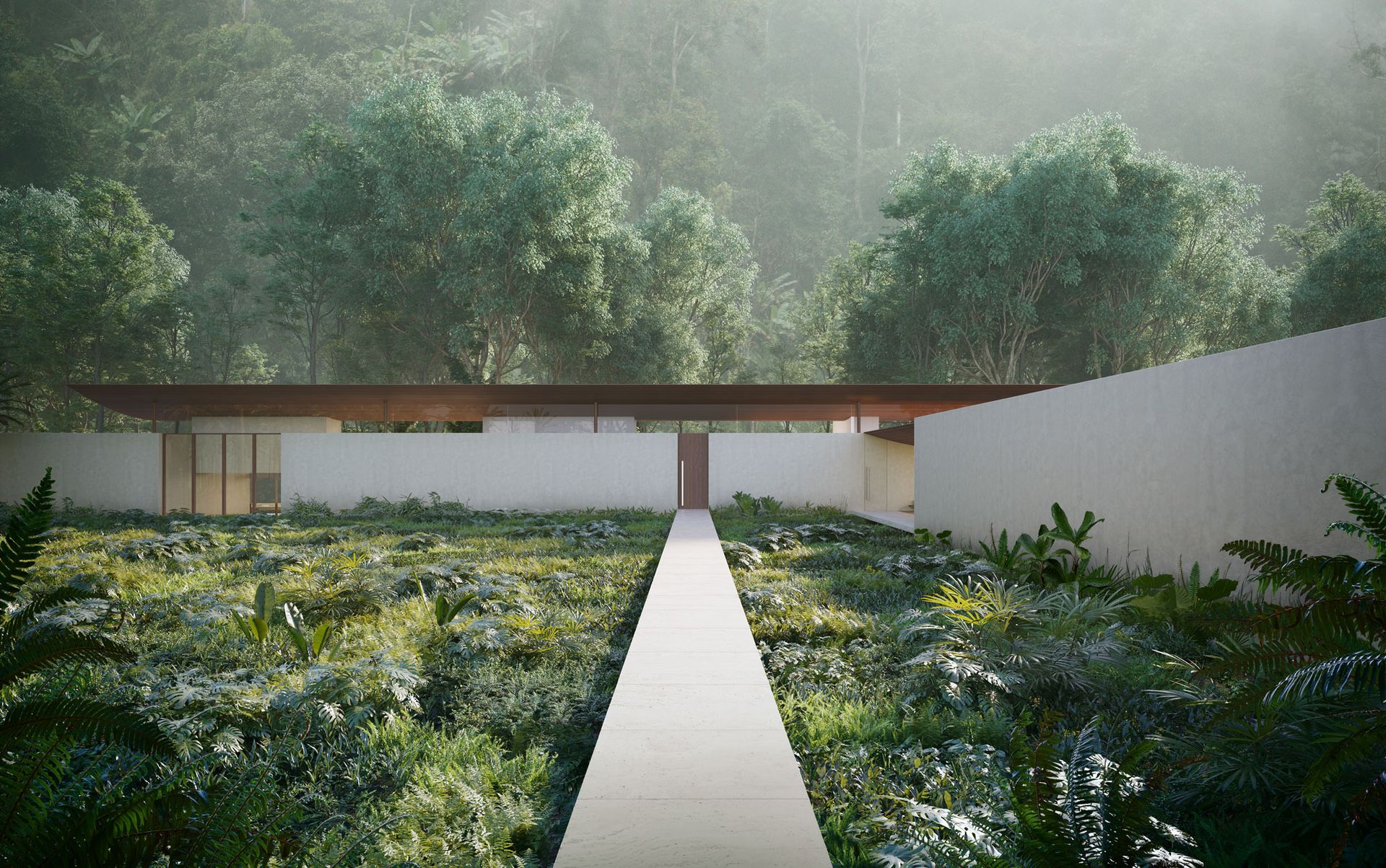
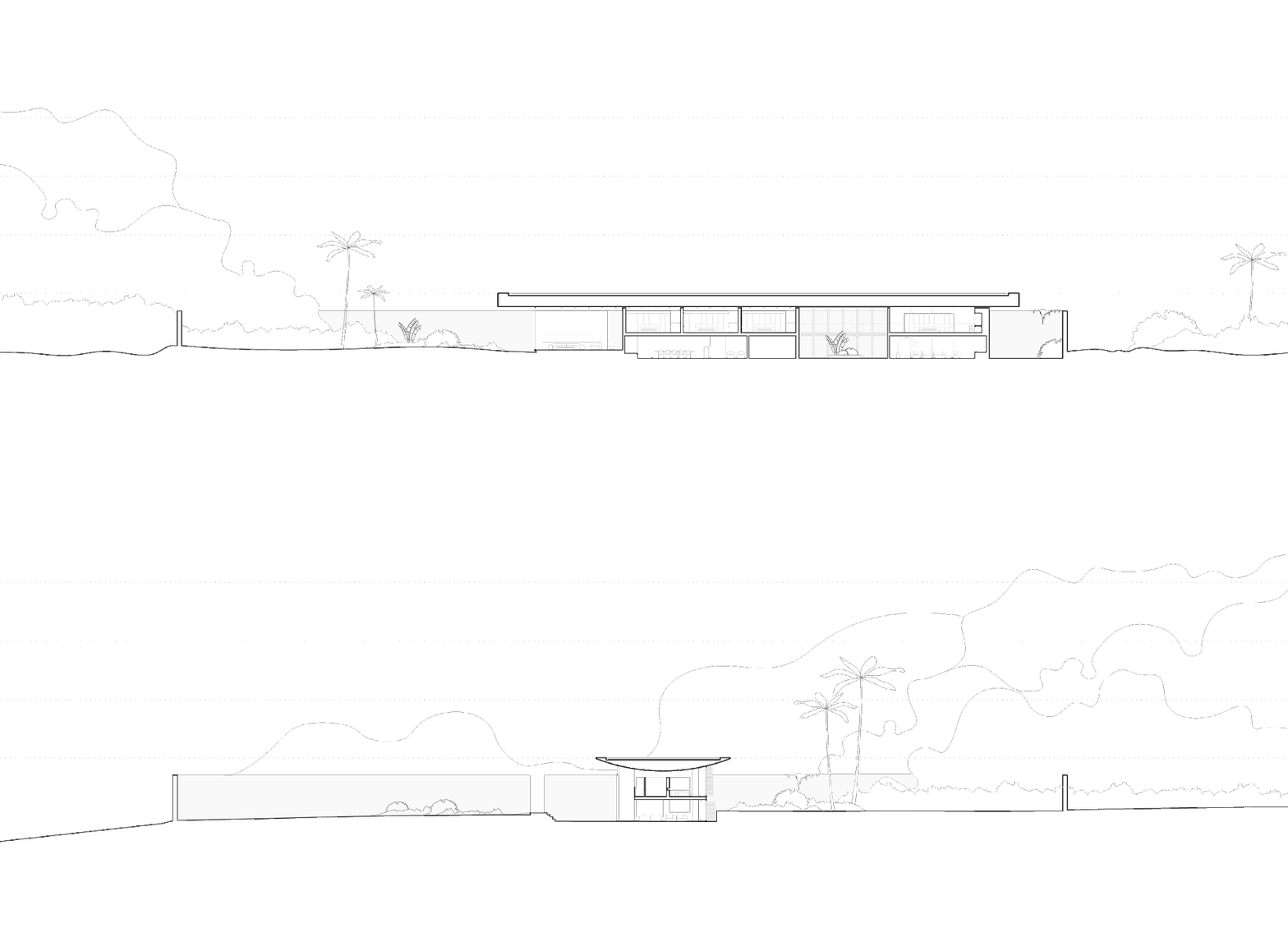
Located in the middle of the African jungle, this house proposes a durable way of building in nature. Instead of going for the obvious solution and position itself in the centre of the vegetation, the house is built on the deforested area of the plot. Using architecture, the house is not focussed on passively looking out to the jungle, but inviting it back to where it was removed. With each year, the jungle in and around the house densifies, thickening the natural walls of protection and privacy. Like its users, the house matures over time.
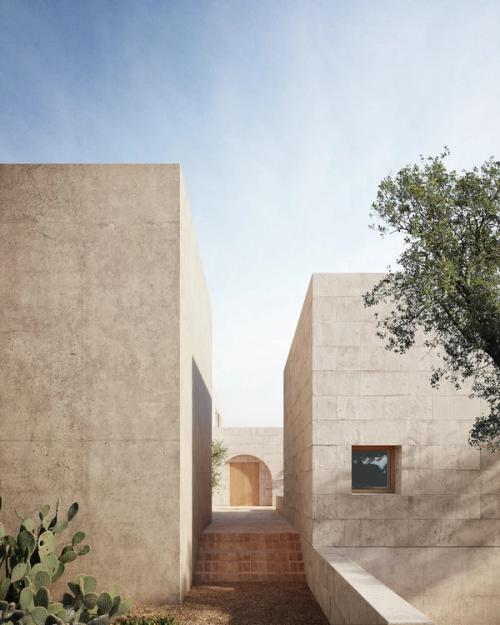
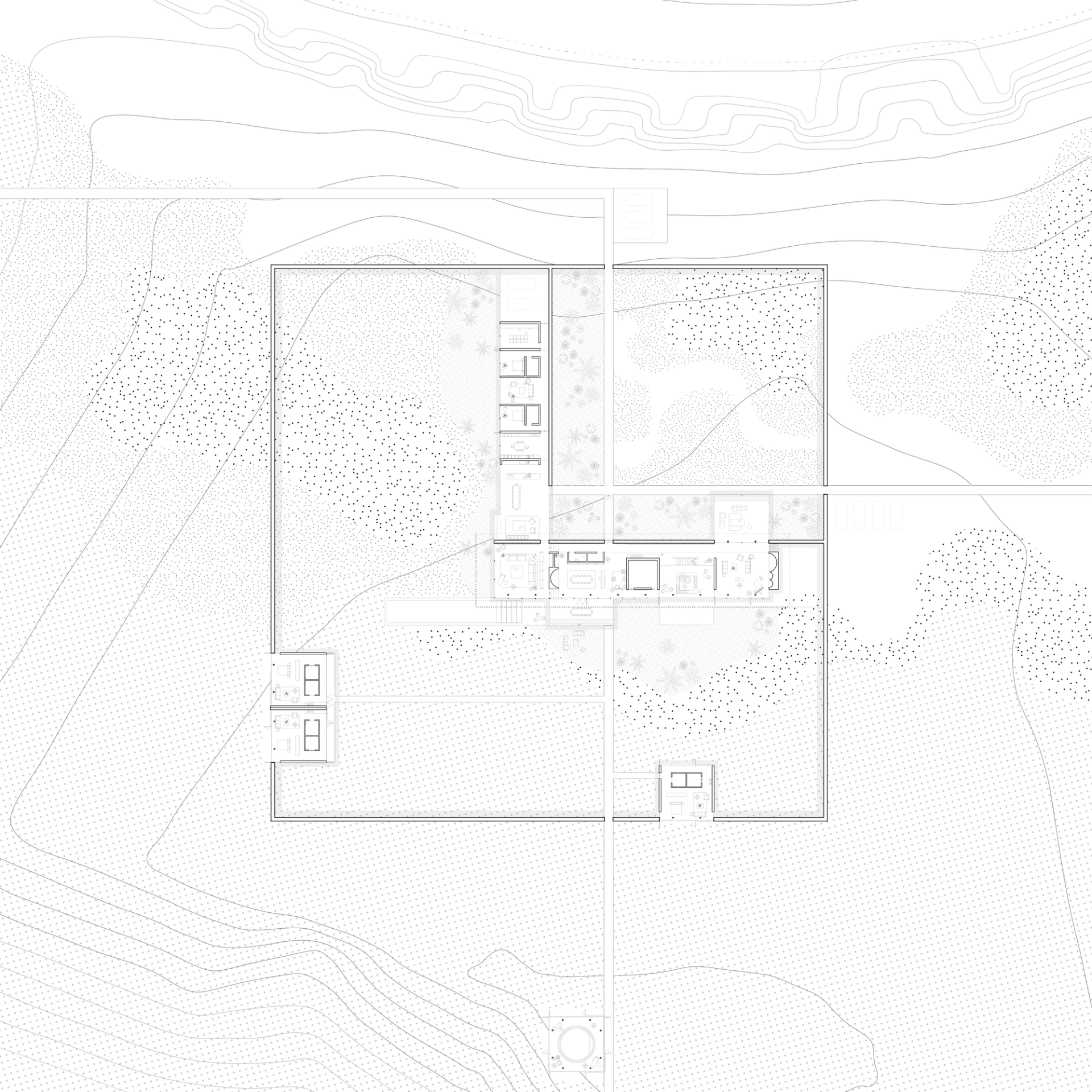
Traditionally, houses in West Africa are organised around a courtyard, destined to the personal life of a particular family. The houses include porches, galleries and balconies into their design, connecting the indoor environment with the outside, and so extending the living space. Houses in the area are “layered” by walls and small entrances, meaning that they use different levels, directions, and degrees of openness around the home’s protected nucleus. The holiday home in the jungle comes with a similar hierarchy, with spaces moving from public to private and from formal to less formal.
The Human/Nature Relationship: Three Ways Of Being With Nature
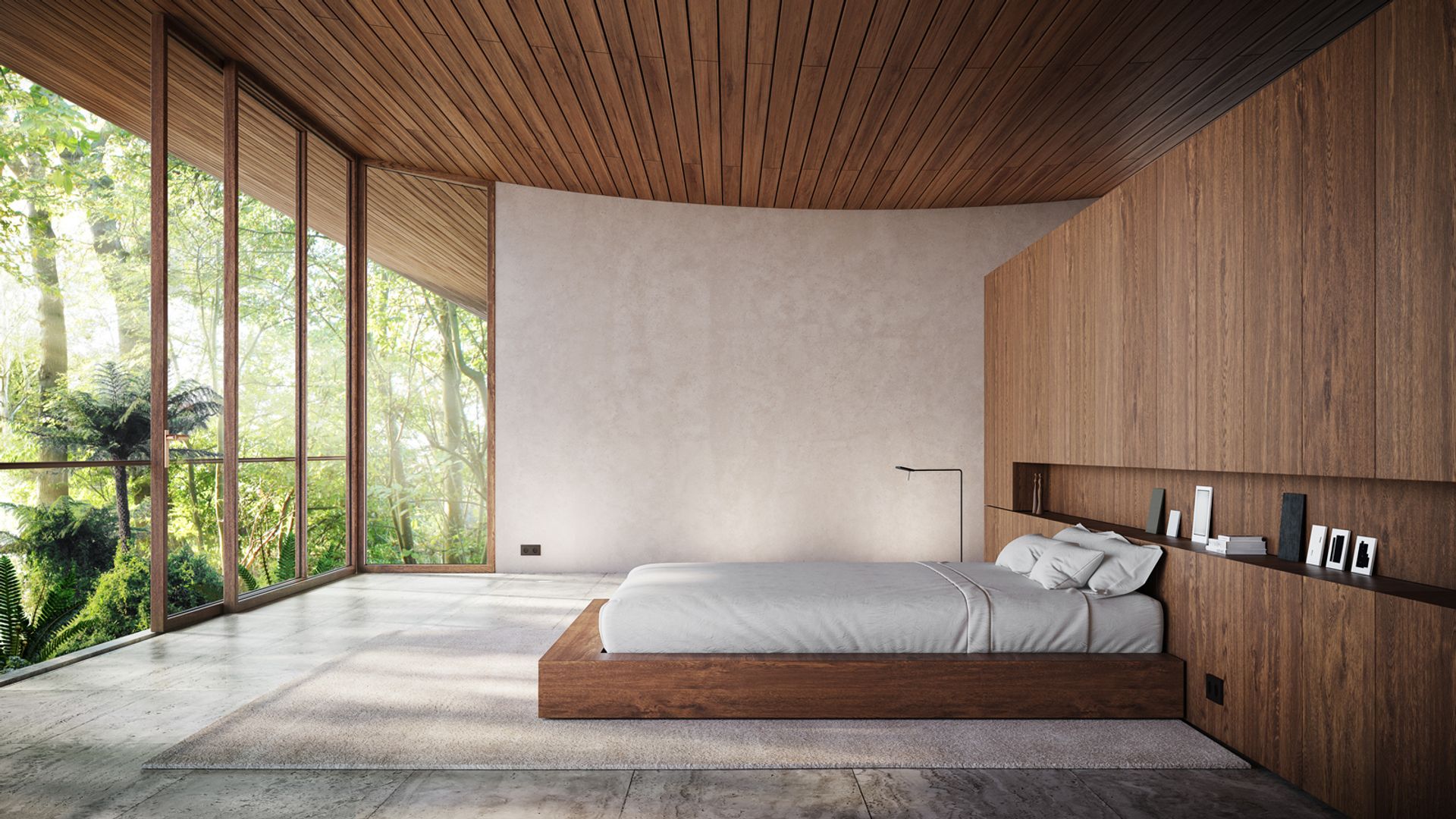
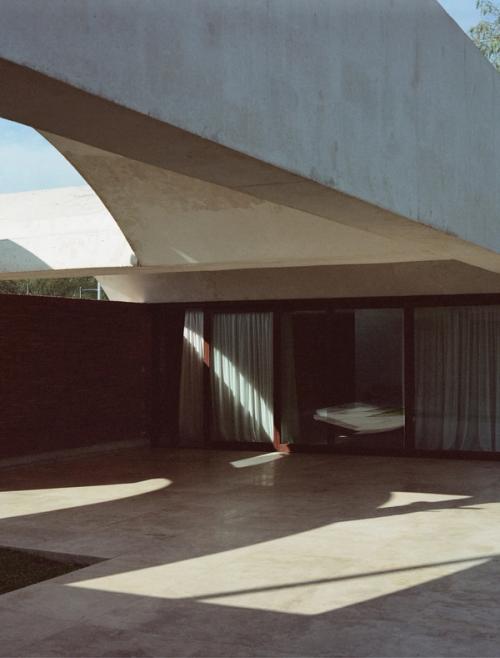
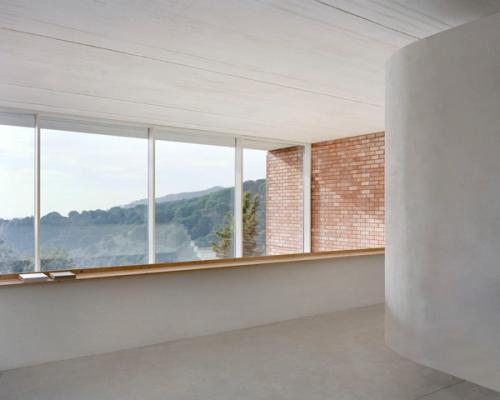
Entering the home through an elevated platform across the jungle, we discover an L-shaped volume that creates a human scale environment through a sequence of walls and entrances. Creating a fragmented discovery of the house and landscape, the house allows us to see and experience the jungle in different levels of intensity, depending on how close the user personally wants to be to it. From the main living areas, nature appears in the distance, while more intimate rooms provide a one to one connection to it, before completely immersing oneself in the separate guest pavilions in the middle of the lush vegetation. Meanwhile, the large wall above the patio emphasizes the largeness of the jungle, creating a personal experience of the jungle.